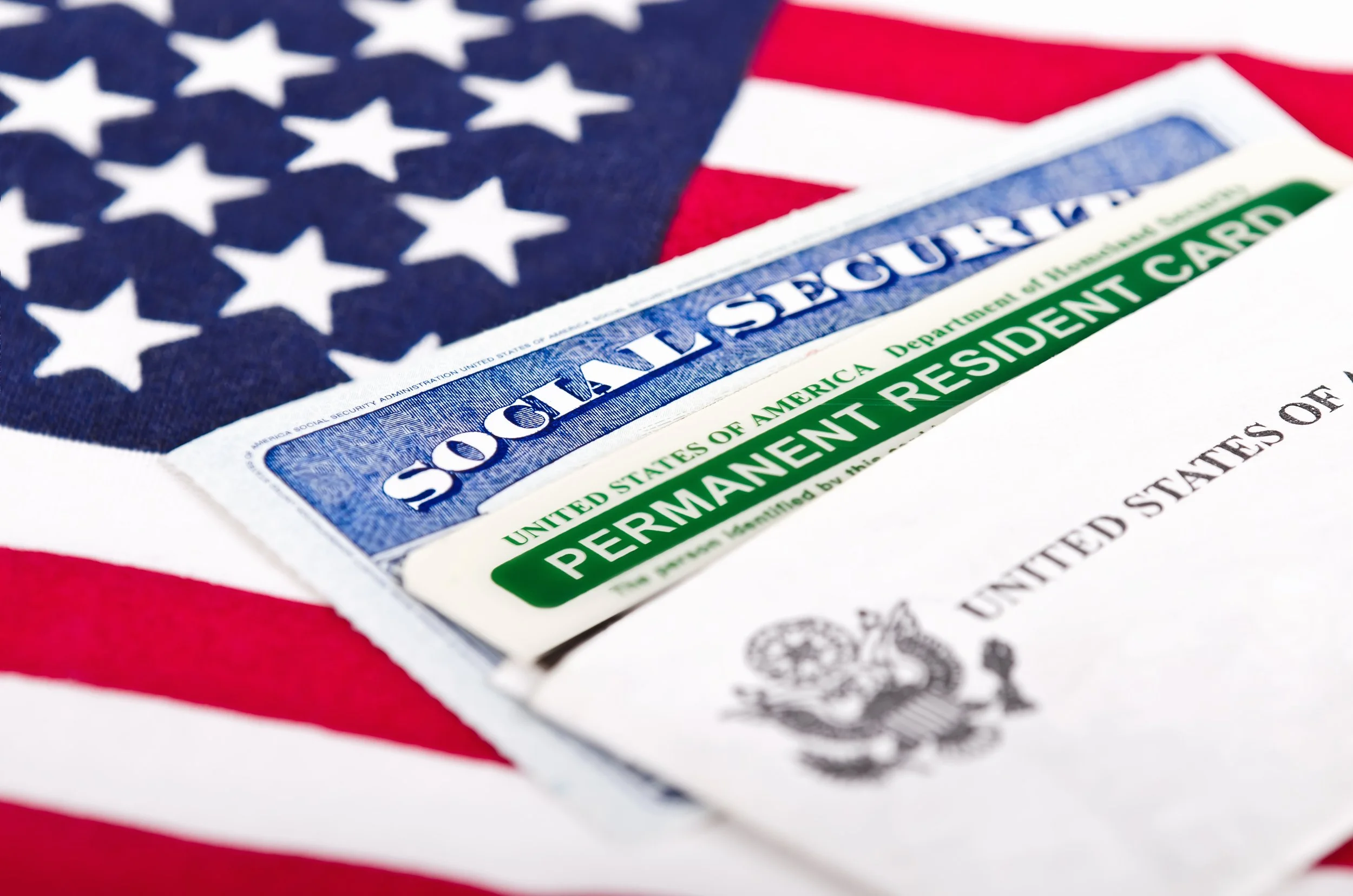


The purpose of a consultation is for the attorney to familiarize themselves with your unique circumstances and determine what your immigration options are or the next steps in your immigration process. This is done by asking you a series of questions. If you have a criminal record, it will also be analyzed to determine whether it affects your eligibility for an immigration benefit. If any, the attorney will then explain to you your immigration options and next steps for possible representation.

Petitioning your family member is the first step in helping them obtain Lawful Permanent Resident status. You need to be either a U.S. citizen or a Lawful Permanent Resident to petition your family member, and depending on your status, you can only petition certain family members.

Adjustment of status is a process by which an individual can become a Lawful Permanent Resident without leaving the United States. There are various ways one might qualify to adjust. Some common scenarios include entering the U.S. with a visa or being petitioned by a family member before April 30, 2001.

Consular processing is for individuals who have to return to their home country to complete their residency process. They will have to complete a series of steps, including attending an interview at a designated consulate. A consular officer will then either make a final decision on your application or decide that you are missing evidence and give you another appointment.
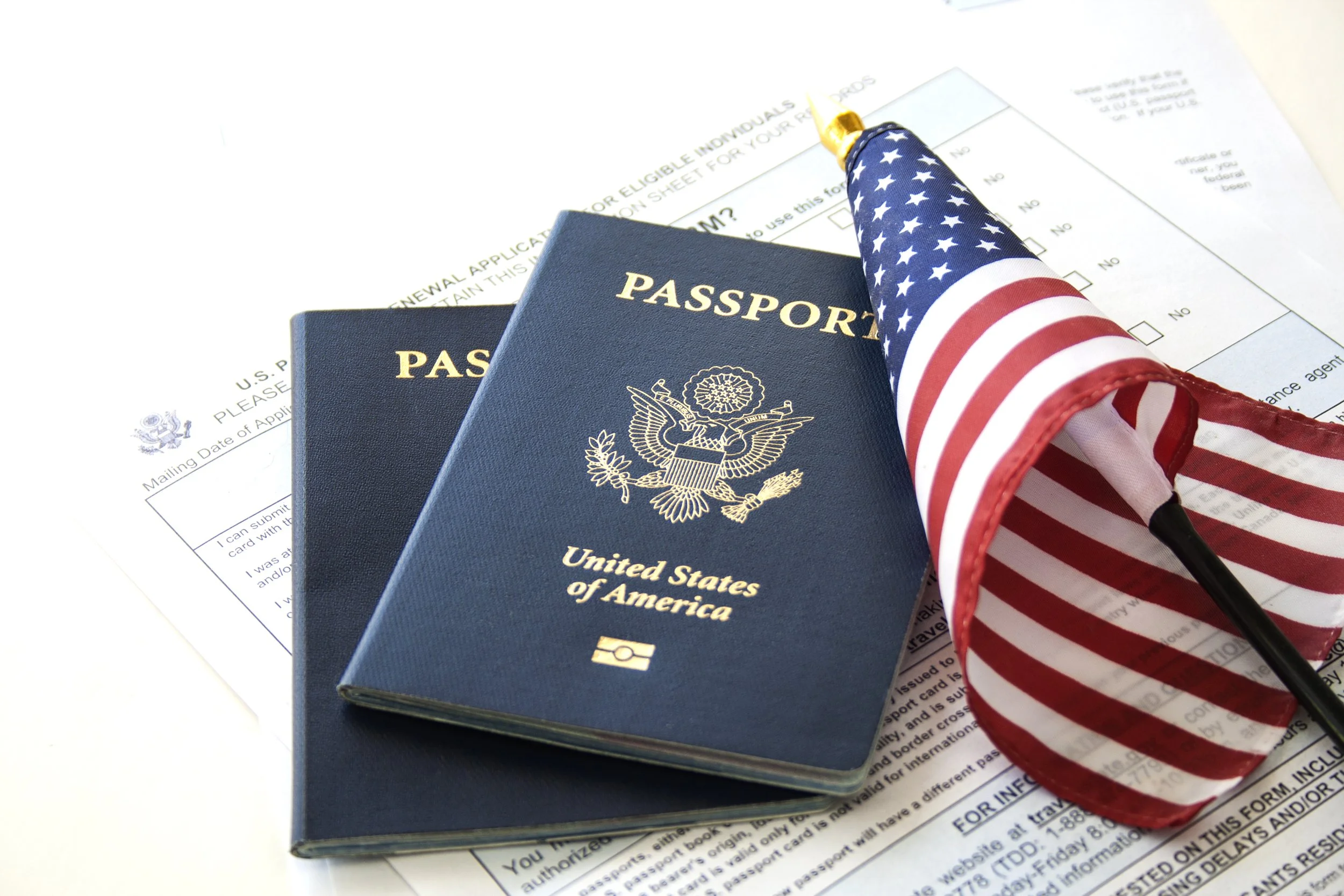
Naturalization is the pathway that Lawful Permanent Residents take to become U.S. citizens. One must meet various requirements, such as being a resident for a certain period, having good moral character, passing a civics test, etc.
There are also situations where people are already U.S. citizens and need to provide certain evidence to obtain a citizenship certificate.

Individuals who have been victims of certain crimes might qualify for a U visa. The T visa is for people who have been victims of trafficking. VAWA is for those who have suffered abuse from their spouse, parents, or children who are either U.S. citizens or Lawful Permanent Residents.

There are different types of waivers available for people who cannot continue their immigration process due to something they did in the past. In general, you will need to demonstrate that your qualifying family member(s) will experience a certain level of hardship. There are waivers for people who have committed immigration fraud, alien smuggling, entering the U.S. without inspection and then living in the U.S. without permission, for certain convictions, and many more. The different types of waivers include I-601, I-601A, and I-212.

If you obtained your residency through your spouse and were married for less than two years at the time, you received a green card that expires in two years. Before your green card expires, you must submit evidence that you are still married to your spouse to keep your residency and obtain a green card that is valid for 10 years. If you are no longer with your spouse, you may still be able to remove the conditions on your green card, provided you demonstrate certain things.

FOIA stands for the Freedom of Information Act. It is a law that allows one to request a copy of files and certain documents in the government’s possession. If you have had past interactions with immigration officials, we can request your file to examine and better understand your immigration history.

Parole permits you to enter the U.S. for a period of time or to remain in the U.S. There are different types of parole. Parole in place is for family members of military members and allows you to remain in the U.S. Advance parole allows you to leave and re-enter the U.S. Humanitarian parole allows you to enter the U.S. for a specific amount of time if you have an urgent humanitarian reason or a significant public benefit.
No results match your search. Try removing a few filters.